
Recognizing the red flags in a relationship is crucial for maintaining emotional well-being and fostering healthy connections. Toxic relationships can gradually drain your energy, harm your self-esteem, and impact your overall happiness. Knowing the signs of a toxic relationship enables you to take action early, whether that means seeking support, setting boundaries, or ending the relationship altogether. In this article, we will explore 10 key signs of a toxic relationship you must not ignore, equipping you with the insight to protect yourself and nurture healthier connections.
What Exactly Defines a Toxic Relationship?
Before diving into the signs, it’s important to understand what makes a relationship toxic. A toxic relationship is characterized by behaviors and patterns that are emotionally damaging, manipulative, or abusive, often leaving one or both partners feeling controlled, unsupported, or distressed. Unlike occasional conflicts that occur in any relationship, toxicity is persistent and negatively affects your mental and emotional health.
10 Signs of a Toxic Relationship You Need to Recognize
1. Constant Criticism and Belittling
Constructive feedback is healthy, but constant criticism that undermines your worth is a major red flag. If your partner frequently belittles your opinions, choices, or achievements—often disguised as jokes or “concerns”—this can erode your self-confidence over time.
Example: Sarah noticed that whenever she shared her accomplishments at work, her partner would dismiss them or say she was “just lucky.” Such remarks made her doubt her abilities and feel undervalued.
2. Lack of Trust and Jealousy
Trust is a cornerstone of any strong relationship. When jealousy becomes controlling—such as constant accusations, checking your phone, or restricting your social interactions—it signals deeper issues. Trust issues often lead to anxiety and resentment.
3. Poor Communication and Avoidance
A toxic relationship often features communication breakdowns. This includes stonewalling (refusing to talk), passive-aggressive remarks, or dismissing your feelings. Healthy couples address issues openly, but toxic dynamics involve avoidance or hostile exchanges.
4. Emotional Manipulation and Gaslighting
Manipulative behaviors, like gaslighting—making you question your reality or memories—are serious warning signs. If your partner denies things they said or did, twists facts, or blames you unfairly, it’s a form of emotional abuse designed to control and confuse you.
5. Feeling Drained Rather Than Supported
Relationships should energize and support you. If you consistently feel exhausted, anxious, or unhappy after spending time with your partner, it indicates an unhealthy dynamic. Toxic relationships create emotional burnout rather than comfort.
6. Disrespect of Boundaries
Everyone has personal boundaries — whether emotional, physical, or digital. Ignoring or violating these boundaries repeatedly shows a lack of respect and care. For example, pressuring you into activities you’re uncomfortable with or invading your privacy are clear red flags.
7. Unequal Effort and Responsibility
Balance in giving and taking is essential. If you find yourself always compromising, apologizing, or making sacrifices while your partner does not reciprocate, it can create resentment and imbalance. Healthy relationships thrive on mutual effort.
8. Isolation from Friends and Family
One common tactic in toxic relationships is isolating you from your support network. If your partner discourages or forbids you from seeing friends or family, it’s a serious concern. This isolation limits your access to outside perspectives and emotional support.
9. Frequent Drama and Unpredictable Behavior
High drama, sudden mood swings, or unpredictable outbursts can create an unstable environment. If you’re constantly walking on eggshells, unsure of what will trigger anger or conflict, it’s a sign of toxicity that impacts your peace of mind.
10. Lack of Accountability
In a healthy relationship, both partners take responsibility for their actions and apologize when needed. A toxic partner often refuses to admit mistakes, blames you instead, or deflects criticism. This defiance blocks growth and resolution.
How to Respond When You Spot These Signs
Recognizing these signs is the first step toward reclaiming your well-being. Here are practical steps to consider:
- Reflect: Take time to assess how the relationship affects your mental and emotional health.
- Seek Support: Talk to trusted friends, family, or a mental health professional for guidance and perspective.
- Set Boundaries: Clearly communicate your limits and observe if they are respected.
- Prioritize Self-Care: Engage in activities that nurture your confidence and happiness.
- Consider Ending the Relationship: If toxicity persists despite efforts, ending the relationship might be necessary for your safety and growth.
Summary Table: Signs of a Toxic Relationship and What They Mean
| Sign | Description | Impact |
|---|---|---|
| Constant Criticism | Undermining your self-worth through negative remarks | Lowered confidence, self-doubt |
| Jealousy and Distrust | Unfounded accusations and controlling behavior | Anxiety, restricted freedom |
| Poor Communication | Avoidance, dismissiveness, or passive-aggression | Misunderstandings, frustration |
| Emotional Manipulation | Gaslighting and blame-shifting | Confusion, emotional distress |
| Feeling Drained | Emotional exhaustion after interactions | Burnout, unhappiness |
| Disrespect of Boundaries | Ignoring limits or privacy | Insecurity, loss of autonomy |
| Unequal Effort | One-sided compromises and sacrifices | Resentment, imbalance |
| Isolation | Discouraging contact with support networks | Loneliness, dependency |
| Frequent Drama | Unpredictable moods and conflicts | Stress, instability |
| Lack of Accountability | Refusal to admit faults or apologize | Stagnation, unresolved issues |
Final Thoughts: Protect Your Emotional Health
Recognizing the signs of a toxic relationship is empowering because it puts you in control of your emotional health. No one deserves to feel diminished, controlled, or isolated in their relationship. By staying alert to these red flags and taking proactive steps, you can foster healthier, more supportive connections.
If you identify multiple signs of toxicity in your relationship, consider reaching out to trusted individuals or professional counselors. Your well-being matters most — and taking action is a powerful step toward reclaiming your happiness and peace of mind.

Upgrade Your Bathroom: Ideas for a Luxurious Space

Create Comfort and Style: 10 Cosy Home Ideas
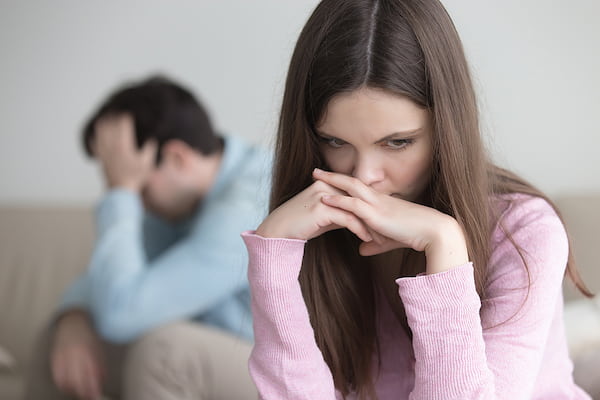
Toxic Relationship Warning Signs to Watch For

Commitment Fears: How to Build Healthier Relationships

Trust and Connection: Keys to Healthy Relationships

Modern Love: How to Build Meaningful Relationships

Recognizing the Signs of Fading Interest in a Relationship

Shoprite Job Openings: How to Stand Out in Your Application

From Application to Promotion: Succeeding at Fred Meyer