
Creating an energy efficient home is no longer just a trend; it is a crucial step toward sustainable living and reducing your environmental footprint. As energy costs rise and climate concerns become more pressing, transforming your living space into an energy efficient home offers both ecological benefits and long-term savings. This guide will walk you through practical, actionable strategies to optimize your home’s energy use, improve comfort, and contribute to a greener planet.
Why Focus on an Energy Efficient Home?
Energy efficient homes use less power to perform the same functions, resulting in lower utility bills and reduced carbon emissions. According to the U.S. Department of Energy, improving home efficiency can reduce energy consumption by 5 to 30%, depending on the measures implemented. This not only helps homeowners save money but also lessens dependence on fossil fuels, contributing to a healthier environment.
Moreover, energy efficient homes often have better indoor air quality and increased comfort due to superior insulation and ventilation. Whether you own a new build or an older property, taking steps to make your home more energy efficient can be a rewarding investment in both your finances and well-being.
How Can You Assess Your Home’s Current Energy Efficiency?
Understanding your home’s starting point is essential for an effective transformation. Here are some practical ways to evaluate energy performance:
- Energy Audit: Professional audits use specialized tools like blower doors and infrared cameras to pinpoint leaks, insulation gaps, and inefficient appliances.
- Utility Bill Analysis: Reviewing your monthly energy usage can reveal patterns and help identify opportunities for savings.
- DIY Checks: Simple tests such as feeling for drafts near windows and doors, or checking insulation levels in the attic, can offer initial insights.
Key Elements in Creating an Energy Efficient Home
1. Insulation and Air Sealing
Proper insulation minimizes heat loss in winter and keeps your home cool in summer. Focus on attic, walls, floors, and basements. Air sealing cracks around windows, doors, and electrical outlets prevents drafts and energy waste.
Example: Upgrading attic insulation from R-19 to R-38 can improve thermal resistance significantly, leading to noticeable energy savings within a few months.
2. High-Performance Windows and Doors
Windows are often the weakest link in home energy efficiency. Double or triple-glazed windows with low-emissivity (Low-E) coatings reduce heat transfer. Additionally, insulated exterior doors help maintain temperature consistency.
3. Efficient Heating, Ventilation, and Air Conditioning (HVAC) Systems
Modern HVAC units with ENERGY STAR ratings consume up to 20% less electricity than standard models. Regular maintenance, like replacing filters and cleaning ducts, also optimizes performance.
4. Smart Thermostats and Controls
Installing programmable or smart thermostats can reduce heating and cooling costs by 10 to 15% by adapting to your schedule and preferences.
5. Renewable Energy Integration
Solar panels, solar water heaters, and small wind turbines can supplement your energy needs sustainably. While initial costs can vary, many homeowners recoup investments through incentives and lower bills within 5 to 10 years.
6. Energy-Efficient Lighting and Appliances
Switching to LED bulbs and ENERGY STAR-rated appliances reduces electricity consumption without sacrificing performance.
What Practical Steps Can You Take to Start Transforming Your Home?
Implementing energy efficiency doesn’t have to be overwhelming. Follow these manageable steps:
- Conduct a Home Energy Audit: Identify priority areas for improvement.
- Seal Air Leaks: Use weatherstripping and caulk around doors and windows.
- Upgrade Insulation: Focus first on attics and basements.
- Replace Inefficient Lighting: Swap incandescent bulbs for LEDs.
- Install a Programmable Thermostat: Customize heating and cooling schedules.
- Consider Renewable Energy: Research local incentives for solar panel installation.
How Do Energy-Efficient Homes Perform in Real Life?
Case Study: A mid-sized family home in Oregon upgraded its insulation, replaced windows, and installed a smart thermostat. Over 12 months, their energy bills dropped by 28%, saving approximately $500 annually. The family also reported improved indoor comfort, especially during winter months.
This example highlights how a combination of improvements, rather than a single change, can substantially enhance energy efficiency and promote sustainable living.
What Are the Financial Benefits and Incentives for Energy Efficiency?
Many governments and utilities offer rebates, tax credits, or low-interest financing for home energy upgrades. These incentives can cover 10 to 30% of project costs, accelerating return on investment.
| Measure | Typical Cost Range | Potential Savings | Incentives |
|---|---|---|---|
| Insulation Upgrade | $1,000 – $3,000 | 10-20% on heating/cooling bills | Tax credits, utility rebates |
| High-Efficiency HVAC | $4,000 – $8,000 | Up to 20% energy reduction | State rebates, federal tax credits |
| Solar Panel System | $10,000 – $30,000 | Significant reduction or elimination of electricity bills | Federal tax credit (26%), local incentives |
| Smart Thermostat | $100 – $300 | 10-15% savings on heating/cooling | Utility rebates |
How Does Sustainable Living Tie into Energy Efficiency?
Energy efficient homes reduce greenhouse gas emissions, conserve natural resources, and promote healthier living environments. By lowering energy consumption, homeowners help decrease the demand on power plants and reduce air pollution.
Moreover, sustainable living encourages mindful consumption, waste reduction, and the use of renewable resources — all of which complement the goals of energy efficiency. Your home becomes not just a shelter, but a proactive contributor to a sustainable future.
Final Thoughts: Taking Action Toward an Energy Efficient Home
Transforming your home into an energy efficient haven is a journey worth undertaking. By assessing your current energy use, making targeted improvements, and leveraging new technologies, you can enjoy lower bills, increased comfort, and a smaller environmental footprint.
Start with small changes like sealing air leaks and switching to LED bulbs, then progress to bigger investments such as insulation upgrades and renewable energy systems. Don’t forget to research available incentives that can make upgrades more affordable.
Ready to make your home more energy efficient? Begin with a home energy audit and create a personalized plan that fits your lifestyle and budget. Each step you take brings you closer to sustainable living, benefiting both your family and the planet.

A Practical Cleaning Routine for a Clean Home and Garden
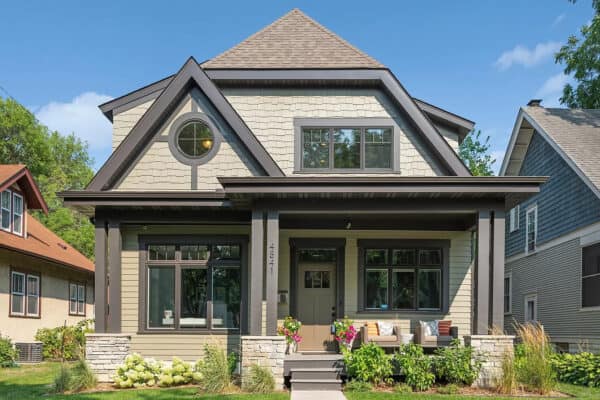
Creating an Energy-Efficient Home for Sustainable Living
Upgrade Your Bathroom: Ideas for a Luxurious Space

Create Comfort and Style: 10 Cosy Home Ideas

Toxic Relationship Warning Signs to Watch For

Commitment Fears: How to Build Healthier Relationships

Trust and Connection: Keys to Healthy Relationships

Modern Love: How to Build Meaningful Relationships

Recognizing the Signs of Fading Interest in a Relationship